
Online Certificate in Infant & Early Childhood Mental Health Family Leadership
Learn how to interact sensitively and effectively with children and families as a community health worker or frontline peer support worker.
The Online Certificate in Infant & Early Childhood Mental Health Family Leadership prepares caregivers of young children as front-line peer support and community health workers. The coursework is designed to strengthen students’ understanding of early childhood mental health and family development through various methods of instruction from experienced instructors and national experts.
Students will gain practical experience by integrating coursework with hands-on activities, ranging from individual self-care to service delivery, so they are better prepared to support and empower other caregivers and to work equitably in the communities they serve. Students will leave this program with the skills, knowledge, and motivation to effectively promote and support early childhood mental health and family resiliency with their peers as community health workers.
Program at a Glance
- Ideal For: Caregivers of young children
- Duration: 9 months
- Tuition: $6,000
- Format: Online
- Schedule: Live on Thursdays & asynchronous online, 6:00-8:30 PM EST
- Semester of Entry: Fall
Learning Outcomes
Upon successful completion of the certificate, you will be able to:
- Understand your role as a community mental health worker (CMHW) and peer support worker (PSW) focused on IECMH
- Demonstrate knowledge as a CMHW through hands-on practicum, field experiences and/or apprenticeship opportunities in health, early learning, or community settings.
- Develop and demonstrate an early foundation in public health, mental health, community health, infant and early childhood, and family development inclusive of people with developmental and other disabilities.
- Explore and demonstrate initial understanding in the broader cultural and community contexts within which early childhood and family mental health occurs
- Identify ways to apply key concepts of racial equity and anti-racist practices in the role of CMHW and peer support workers
- Identify certificate program requirements and expectations for completion
- Develop initial competence in recognizing developmental milestones from prenatal to age 8 and when referrals are needed to address potential developmental disabilities.
- Identify strategies for healthy lifestyle, holistic wellness and coping with stress (i.e., breathing exercises, journaling, walking, mindful eating, mindful driving)
- Learn and demonstrate cultural humility and culture responsiveness in applying communication skills, motivational interviewing, and other verbal/non-verbal communication skills
- Identify and understand strategies to engage and assist families in care coordination and navigation throughout the lifespan
- Apply knowledge and skills gained in the course to actual work situations within relevant settings
“This certificate program values the lived experience of families, while also bridging the gap between community needs and the workforce pipeline. Core components of this evolution include flexibility, experiential learning, practical skill-building, and a common language to discuss ways to promote health equity in communities.”
Matthew Biel, M.D., Certificate in Infant & Early Childhood Mental Health Family Leadership
Curriculum & Schedule
Professional development and certificate classes consist of a Live Online class and asynchronous online assignments. Live classes are taught in real time by Georgetown instructors via Zoom video conferencing. Asynchronous online assignments are completed through Canvas, our learning management system, and can be completed at your own pace. Certificate programs are designed to provide our professional learners with a high-quality, engaging educational experience.
For more information, don’t hesitate to get in touch with Program Support: IECMH-Certificates@georgetown.edu.
The Certificate in Infant & Early Childhood Mental Health Family Leadership is offered in a Flex Learning environment, using live Zoom video conferencing to mirror a more traditional classroom, with regular interaction, engaging activities, and dynamic exploration of topics and concepts.
Syllabus
What Is Live Online Learning?
Live online instruction is enhanced by incorporating various instructional practices and technology tools. Features such as Zoom video conferencing, breakout rooms, and chat allow for real-time interaction and collaboration among learners. Tools like Google Docs, Slides, Sheets, and Canvas Groups facilitate teamwork and information sharing within the learning community. Polling, surveys, and threaded discussion boards promote active engagement and the expression of opinions. It is important to foster social respect and privacy, and to incorporate Jesuit values, to create a supportive and inclusive online environment. By utilizing these practices and tools effectively, live online instruction can be engaging, interactive, and conducive to meaningful learning experiences.
Directors
Program Director – SCS Custom & Executive Education Program
Director Infant, Early Childhood and Family Mental Health: Family Leadership Certificate
Assistant Professor of Pediatrics
Program Director, Certificate in Infant & Early Childhood Mental Health Family Leadership
Co-Director – SCS – Custom & Executive Education Program
C0-Director – SCS- Custom & Executive Education Program
Guest Faculty
Leah Castelaz
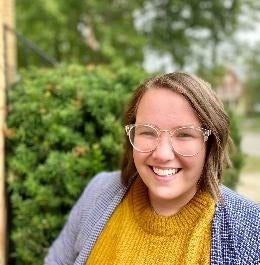
Leah Castelaz is a policy attorney at Children’s Law Center. A recent graduate of the University of Cincinnati College of Law, she joined the policy team after having worked as both a policy law clerk and a policy fellow. She has received recognition for her commitment to public interest work including the University of Cincinnati College of Law Public Service Award, CALI Excellence for the Future Award in Access to Justice, and CALI Excellence for the Future Award in Child Protective Advocacy. In the Summer of 2020, Leah was a Squire Patton Boggs Public Policy Fellow.
Evandra Catherine, Ph.D.
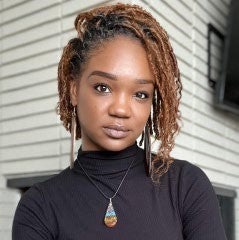
Dr. Evandra Catherine is the Director of Disability and Mental Health Policy at the Children’s Equity Project. She works with state and national leaders to build and sustain equitable early intervention and early childhood special education systems for children, birth to five, and their families. She also works with national and state professional development and technical assistance providers to advance equity in early care and learning programs through infant and early childhood mental health consultation. Dr. Catherine is also currently a fellow in the Young Scholars Program, sponsored by the Foundation for Child Development.
Jasmine Crane MS, MA, NCC, LPC.
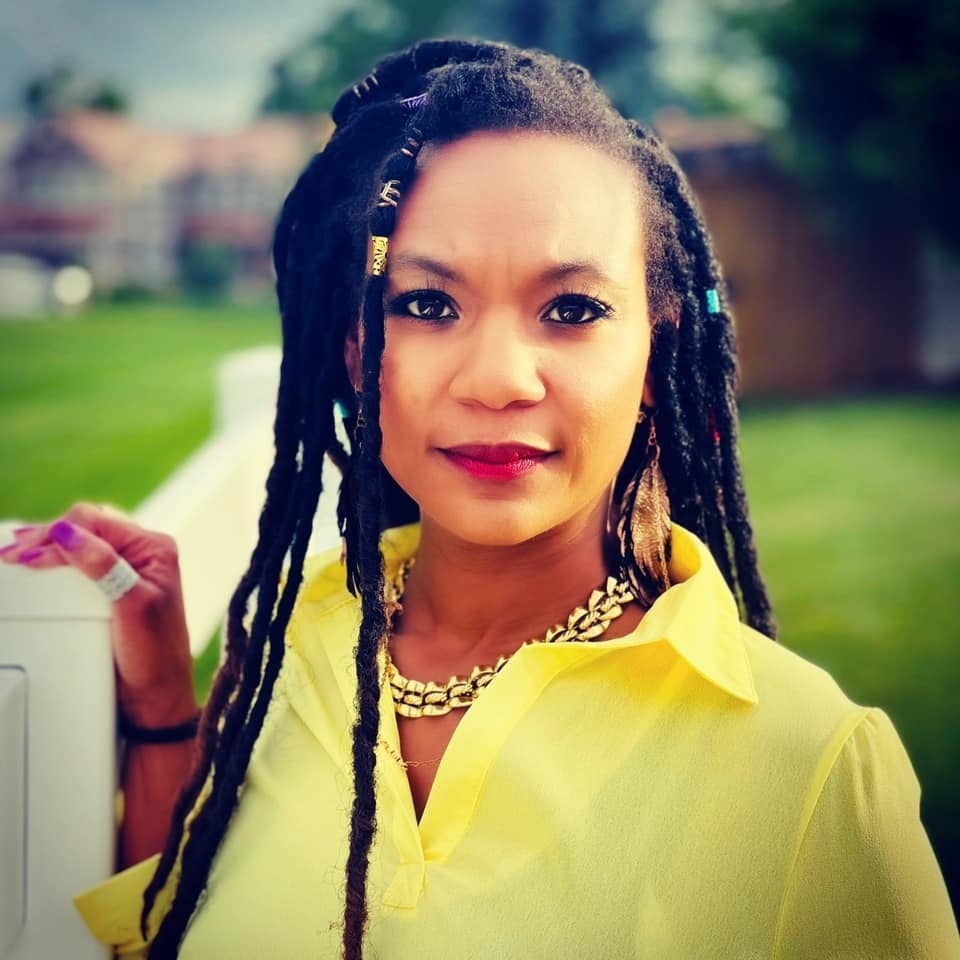
Jasmine Crane, MS, MA, NCC, LPC is a Licensed professional counselor in the state of Colorado, where she has worked as a teacher at nearly every level of education. She works as an adjunct faculty member for the University of Colorado Denver, in their Masters-level counseling department. Jasmine also works as the Director of Health and Wellness for the Institute for Racial Equity and Excellence (IREE) and is the owner and primary therapist of Transcendent Counseling LLC. She is also a contracted trainer with the Pyramid Model Consortium, and has served on the board of the Denver County Cultural Commission, where she helped allocate SCFD funds to tier 3 arts and science organizations serving the Denver Metro Area.
David Olawuyi Fakunle, Ph.D.
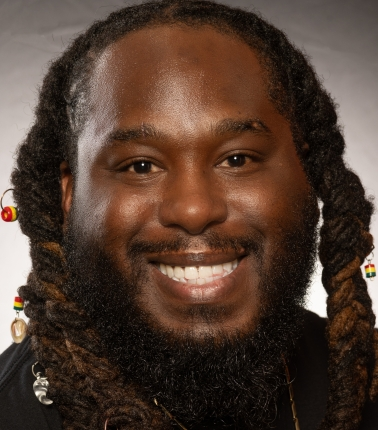
Dr. David Olawuyi Fakunle is a “mercenary for change,” employing any skill and occupying any space to help elevate everyone divested from their truest self, especially those who are Black, Indigenous and People of Color. He serves as Assistant Professor of Public Health at the Morgan State University School of Community Health & Policy, Adjunct Assistant Professor at the University of Florida Center for Arts in Medicine, and Associate Faculty in the Mental Health Department of the Johns Hopkins Bloomberg School of Public Health. David has applied artistic and cultural practices such as Black storytelling, African drumming, singing and theater in the proclamation of truth for over 25 years, collaborating primarily with organizations in the Baltimore/Washington, D.C. region.
Cyndie Hatcher, MD
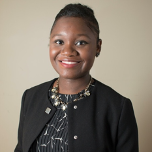
Dr. Cyndie Hatcher is an Assistant Professor of Pediatrics in Ambulatory Care Services at the Chobanian and Avedisian School of Medicine. As a first generation Haitian American, and the child of two public school educators, she has seen first-hand the importance of health and wellbeing initiatives for children and has made it her goal to be a part of these solutions. She completed her undergraduate degree in Chemistry at Duke University and her medical degree at Harvard Medical School. Her interests in maternal and child health led her to obtain a Masters in Public Health with a focus on strategies to improve health outcomes for the vulnerable children of Boston and their families. After completing her MPH, she did her residency at University of Massachusetts Memorial Children’s Medical Center.
Jamie L. Hill-Daniel, MD
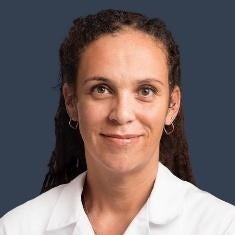
Dr. Jamie Hill-Daniel is an Associate Professor in the Department of Family Medicine at the Georgetown School of Medicine. She is currently the interim Program Director for the MedStar Health Georgetown/Washington Hospital Center Family Medicine Residency Program. She served three years as the Associate Program Director of Community Health for the program prior to being named interim Program Director. Dr. Hill-Daniel completed her medical education at the David Geffen School of Medicine at UCLA and completed residency at the Georgetown-Providence Hospital Family Medicine Residency Program. She has a special interest in community health and is focused on curriculum development in cultural humility training for resident physicians and community health promotion.
LaDon Love
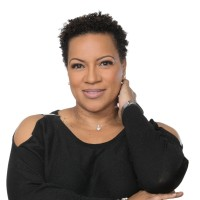
LaDon Love is the Executive Director of SPACEs In Action/SIA. SIA is a membership based community organization that focuses on wards 7 and 8 in the District of Columbia, as well as Montgomery County, MD. Additionally, she is the Vice-Chair of the Algebra Project Board of Directors and a founding member of Community Voices Heard. In her 20 years of experience, LaDon has worked with the Neighborhood Preservation Coalition of New York State, the Northwest Bronx Community Clergy Coalition, Citizen Action of New York, the Center for Community Change, the Center for Progressive Leadership, and Community Learning Partnership. She received the Shirley Chisholm Leadership and Ms. Magazine Woman of the Year awards.
Michelle Ayola Roett, MD, MPH, FAAFP
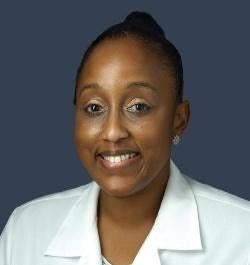
Dr. Michelle A. Roett is a Professor and Chair in the Department of Family Medicine at Georgetown University Medical Center and MedStar Georgetown University Hospital. She is the former Residency Program Director at the MedStar Georgetown DC Family Medicine Residency Program at MedStar Medical Group Family Medicine at Fort Lincoln. She received her medical degree from Georgetown University in 2003, completed her residency training with MedStar Georgetown in 2006, and her Master of Public Health degree from Johns Hopkins Bloomberg School of Public Health in 2005. Dr. Roett is also board certified in Family Medicine and completed a Georgetown University Faculty Development fellowship in Community Health Leadership Development, and a National Institute for Program Director Development Fellowship from the Association of Family Medicine Residency Directors.
Prantik Saha, MD, MP
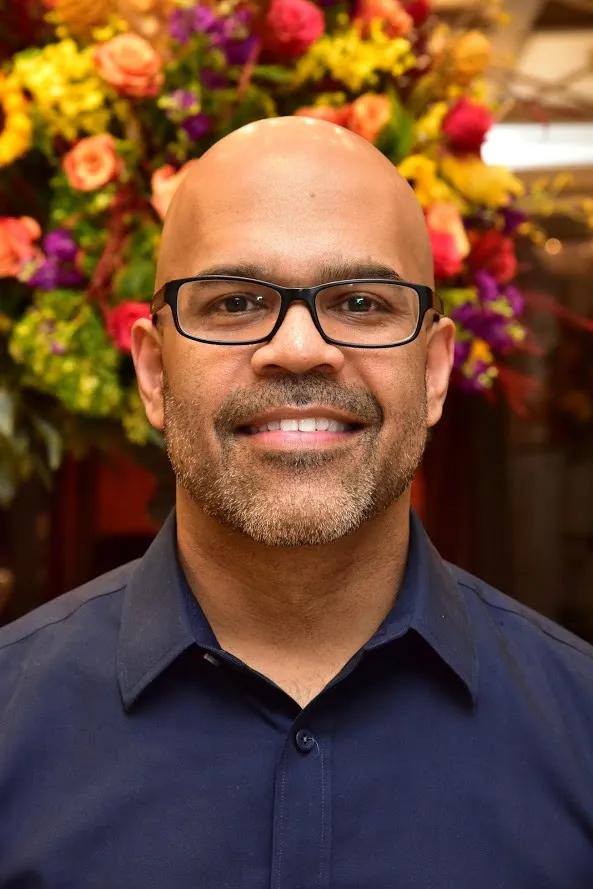
After graduating from Case Western Reserve University medical school and completing a pediatrics residency at Johns Hopkins Hospital, Dr. Prantik Saha started practicing general pediatrics initially as a hospitalist, and eventually in primary care. Dr. Saha spent 11 years as a faculty member at Columbia University Medical Center, where he completed an MPH at the Columbia Mailman School of Public Health, and is now practicing primary care pediatrics at a private practice in New York City. He joined the Motivational Interviewing Network of Trainers in 2010. Dr. Saha is also a faculty member of the Columbia HIV Mental Health Training Project and he has been a visiting professor for the American Academy of Pediatrics section on obesity. His current focus is on the development of an MI curriculum for medical students.
Sakina Thompson, J.D
Sakina Thompson has 25 years of experience reforming organizations and service delivery systems to better serve vulnerable populations. At the DC Department of Human Services, Ms. Thompson has helped to reform TANF, Homeless Services, and move agency practice toward an integrated service delivery approach across health, education, and human services. Prior to her work in DC, Ms. Thompson served as Sr. Policy Advisor to the head of the Appalachian Regional Commission, a federal-state partnership working with Governors and communities of the 13 Appalachian States on sustainable economic and community development. Ms. Thompson also worked on child and family policy for the State of MD at the Governor’s level and with the MD Department of Human Resources.
David Willis, MD. FAAP

Dr. David Willis serves as a Senior Fellow at the Center for the Study of Social Policy (CSSP) and is a national expert in pediatrics, early childhood systems, and early relational health. At CSSP, he leads the Nurture Connection social movement to advance early relational health. Nurture Connection is at the growing intersection of child health transformation and resilient community building in partnerships with families and a social justice commitment. He also is the current Co-Chair of National Academy of Sciences, Engineering and Medicine’s Forum on Children’s Wellbeing. Dr. Willis previously served as the Inaugural Executive Director of the Perigee Fund, the Division Director of Home Visiting and Early Childhood Systems at HRSA during the Obama Administration, and an early brain and child development clinician and leader in Oregon and the American Academy of Pediatrics.
My experience is that it was very rewarding and enlightening to me. It helped me with some things I wanted to do in terms of helping families and children. Being back in the class setting and doing school work was a challenge; but it gave me something to look forward to. It gave me a new avenue to help families and how to get them educational and medical resources. It gave me an extra boost on how I see things now. Being in that class gave me something to look forward to every Thursday and doing my assignments. It was a great experience for me. I didn’t think this old girl still had it.
IECMH Family Leadership Graduating Student
The Certificate in Infant & Early Childhood Mental Health Family Leadership is a cohort-based, competitive program with a selective admission process. An application is required to enroll in the program.
- Complete the Interest Form
- Upload your Resume/CV
- Statement of Purpose
IECMH Family Leadership Graduating Student
My experience has been an exuberant experience and a breath of fresh air…I have new knowledge. I was able to build on my background knowledge and experience. The class allowed me to grasp my prior knowledge and more information better. I also got from this class that the healing [Shawn Ginwright] is within us and we have to tap into being healed …I have been healed through the process of this class.
Application Dates
- Application opens May 2026
- Deadline for application: TBD
Program Prerequisites
You must hold a high school/general education diploma with lived experience. Applicants with a bachelor’s degree or higher are also encouraged to apply as the educational space is blended with educators, family engagement specialists, social workers, and infrastructure builders from diverse professional settings.
For each cohort, an application review committee offers admission to a diverse group of students to enrich the classroom experience.
Tuition & Funding
The Certificate in Infant & Early Childhood Mental Health Family Leadership has a limited number of tuition scholarship that may be available, please indicate on your application if you are interested in a scholarship.
Noncredit professional certificates do not qualify for federal financial aid, scholarships, grants, or needs-based aid. However, several finance and funding options do exist, as listed below.
Contact Us
For questions about the program, please contact: IECMH-Certificates@georgetown.edu .